
The Heartwood Guild
Fundamentals of Traditional Timber Framing
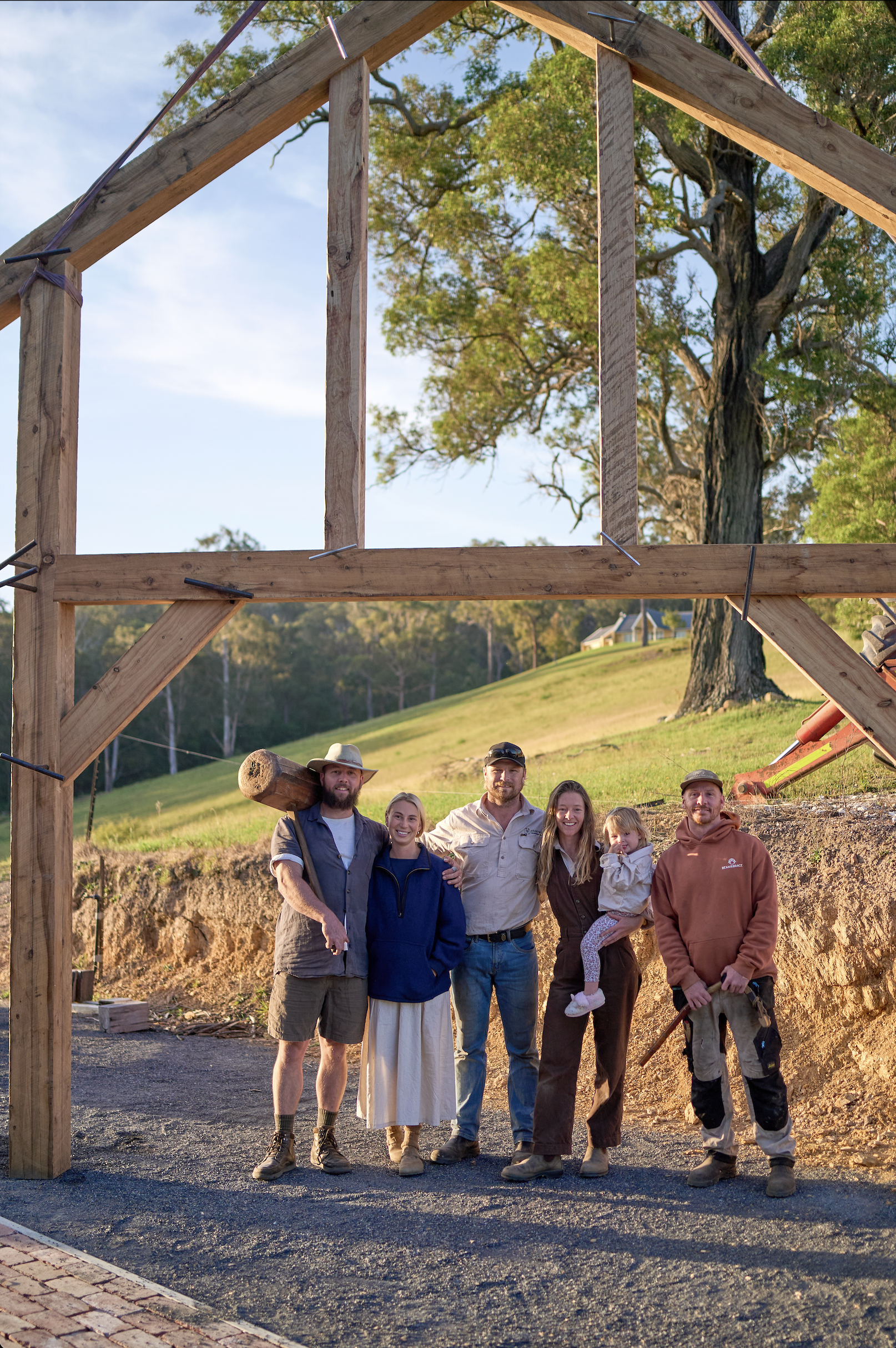
Anchorage farm, Narooma NSW
Step away from machines, screens, and modern shortcuts, and spend three days learning the craft of traditional timber framing as it has been practised for centuries.
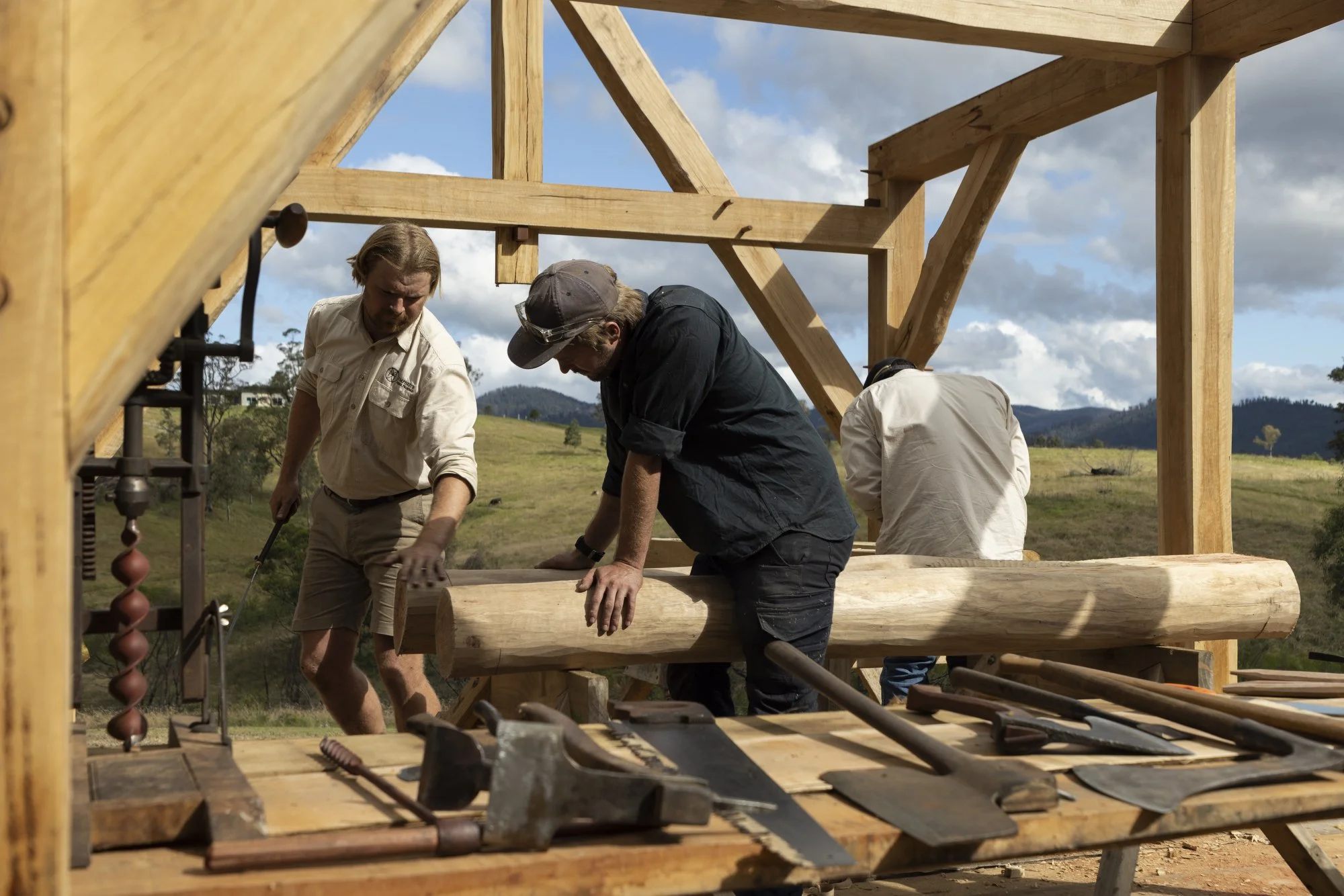
Held at the Anchorage Farm on the far south coast of NSW, this 4 day workshop is designed to ground you in the fundamentals of timber framing through hands-on work, shared learning, and time spent with timber and tools. Under the guidance of our experienced traditional framers, students will work in small groups to lay out and hand-cut sections of a traditional timber frame structure, using only traditional hand tools.
This course is suitable for all experience levels — from complete beginners to seasoned builders looking to reconnect with handcraft. The pace is calm and supportive, allowing each student to work carefully, ask questions, and build confidence at their own rhythm. Our focus is not speed, but understanding: how timber behaves, how joints work, and how thoughtful design and skilled hands come together to create strong, enduring structures.
Over four days, you’ll gain a practical foundation in traditional joinery, timber selection, and layout methods, while also experiencing the satisfaction of shaping wood by hand and contributing to a real frame. By the end of the workshop, you’ll have a deeper appreciation of the craft, the tools, and the quiet intelligence embedded in traditional building methods.
This is more than a course — it’s an invitation to slow down, work with purpose, and learn a craft that connects people, place, and material.
Joinery & Design Fundamentals
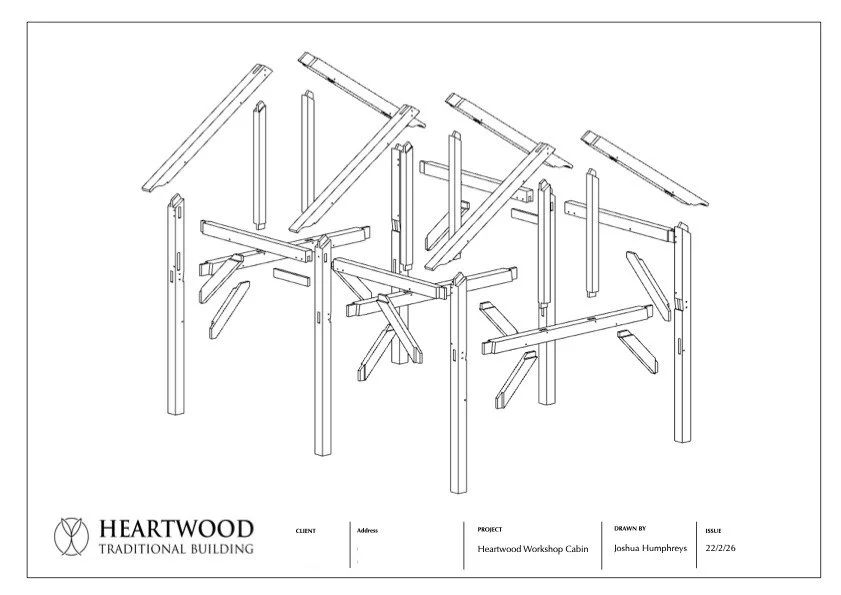
We begin by understanding the frame as a whole — how it stands, how it carries load, and how each piece works in conversation with the next. Students will be introduced to the basic layout of the Heartwood Cabin frame and the joinery details that bring it together.
Several variations of the mortice and tenon joint used throughout the design will be explored. Working through the drawings together, we’ll look at why certain joints are chosen, how proportions affect strength and longevity, and how thoughtful design leads to frames that are both practical and beautiful.
Timber selection and processing

Good design starts with good timber. This section focuses on developing an eye for timber — learning to read grain, understand movement, and choose the right piece for the job.
We’ll cover common timber species, selection considerations, milling options, and ways to best utilise the timber you have available. Whether working with straight, curved, or irregular material, students will learn how traditional framing embraces the natural character of the tree rather than fighting against it.
Layout of Joinery

Heartwood follows the traditional French scribe method, Le Piquage — a visual and tactile approach to layout that relies on level and plumb rather than numbers and calculations.
Students will learn how to establish universal reference planes and use them to locate and mark joinery accurately. This method allows for round, tapered, and naturally bent timbers to be used confidently, making it especially well-suited to hand-worked frames and site-milled material.
Handcut Joinery

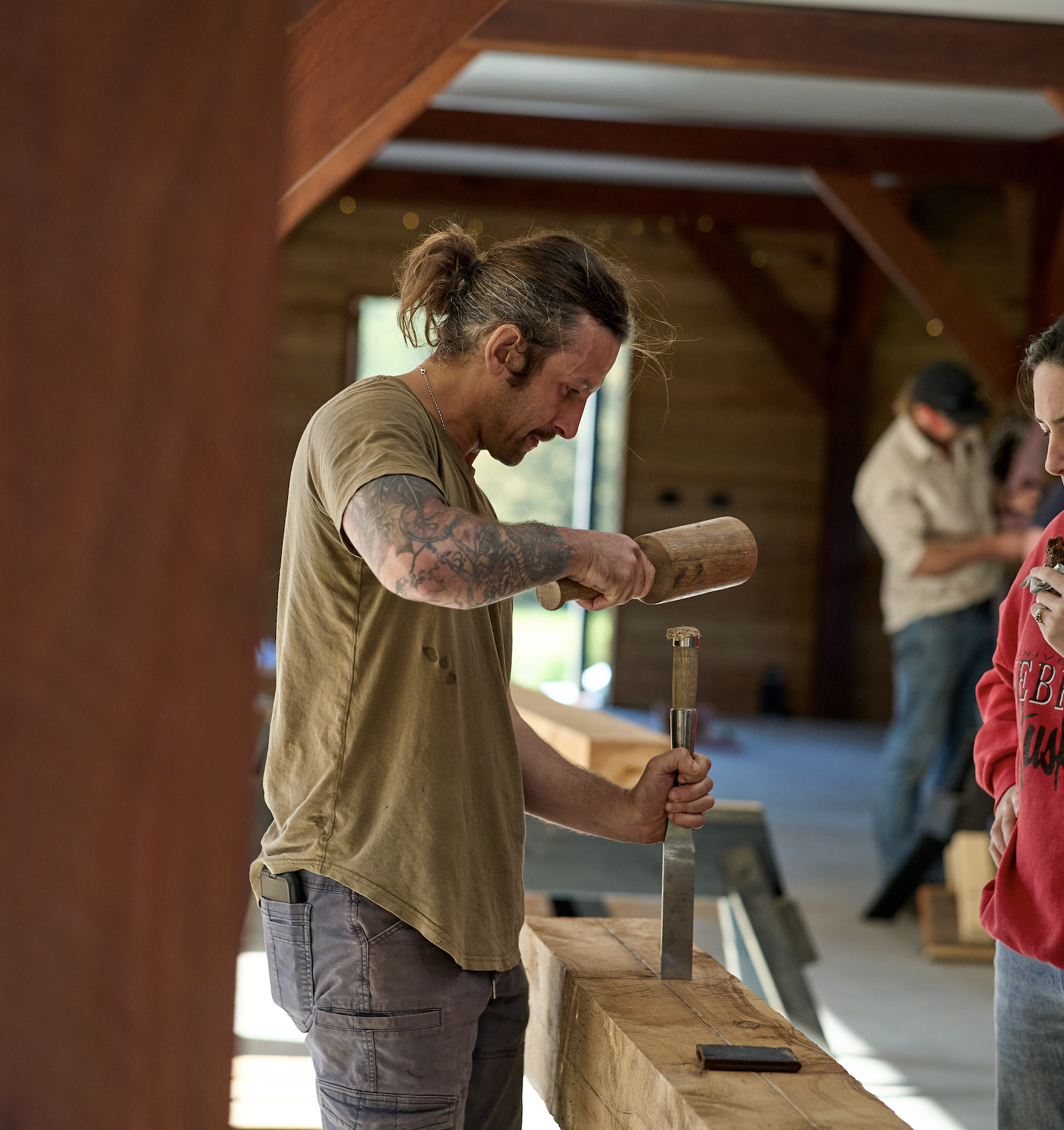
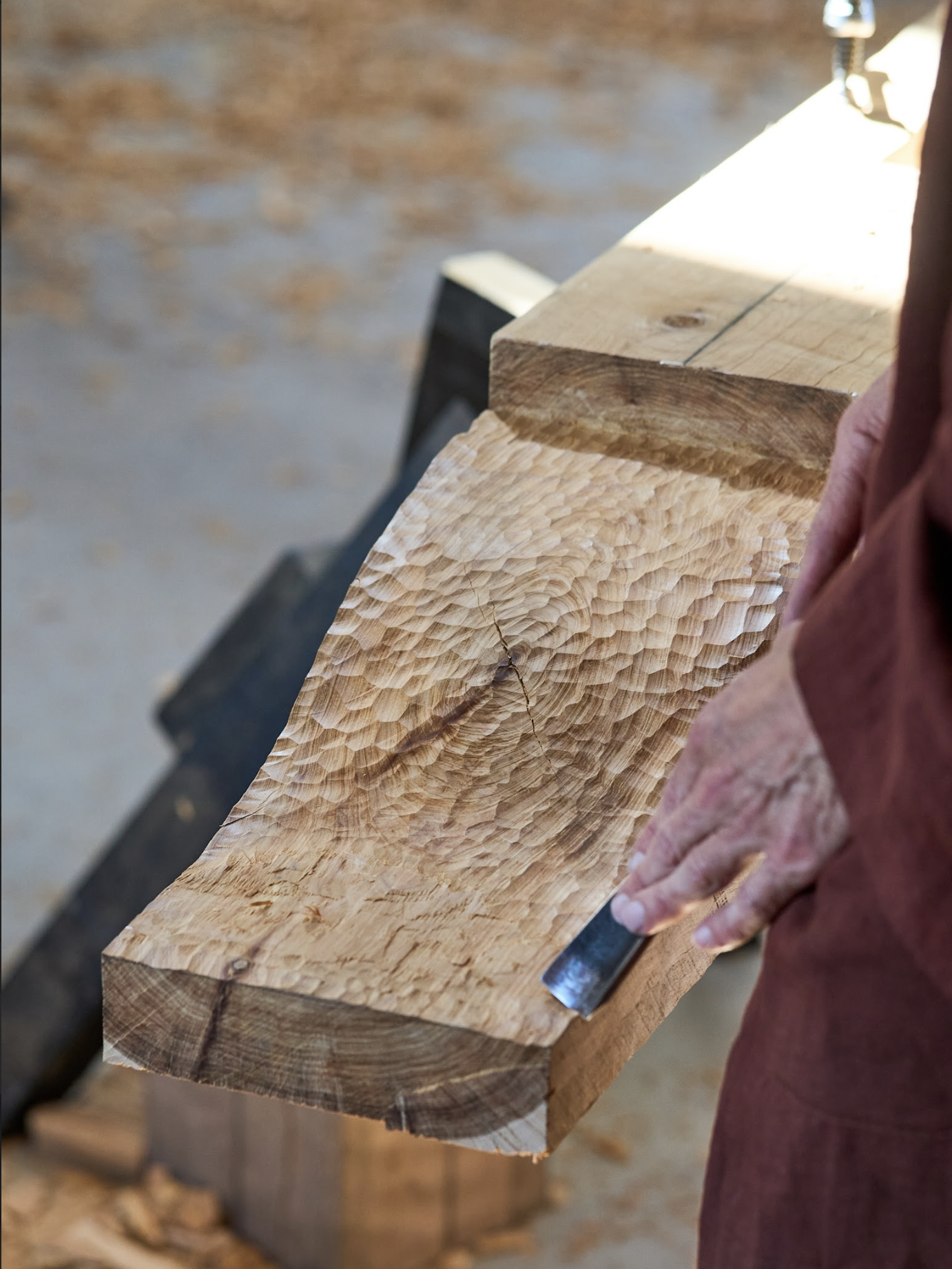
All joinery in the workshop is cut by hand using traditional carpenters’ tools. Students will be shown clear, efficient methods for cutting joints, then encouraged to explore different tools and techniques to find what feels right in their hands.
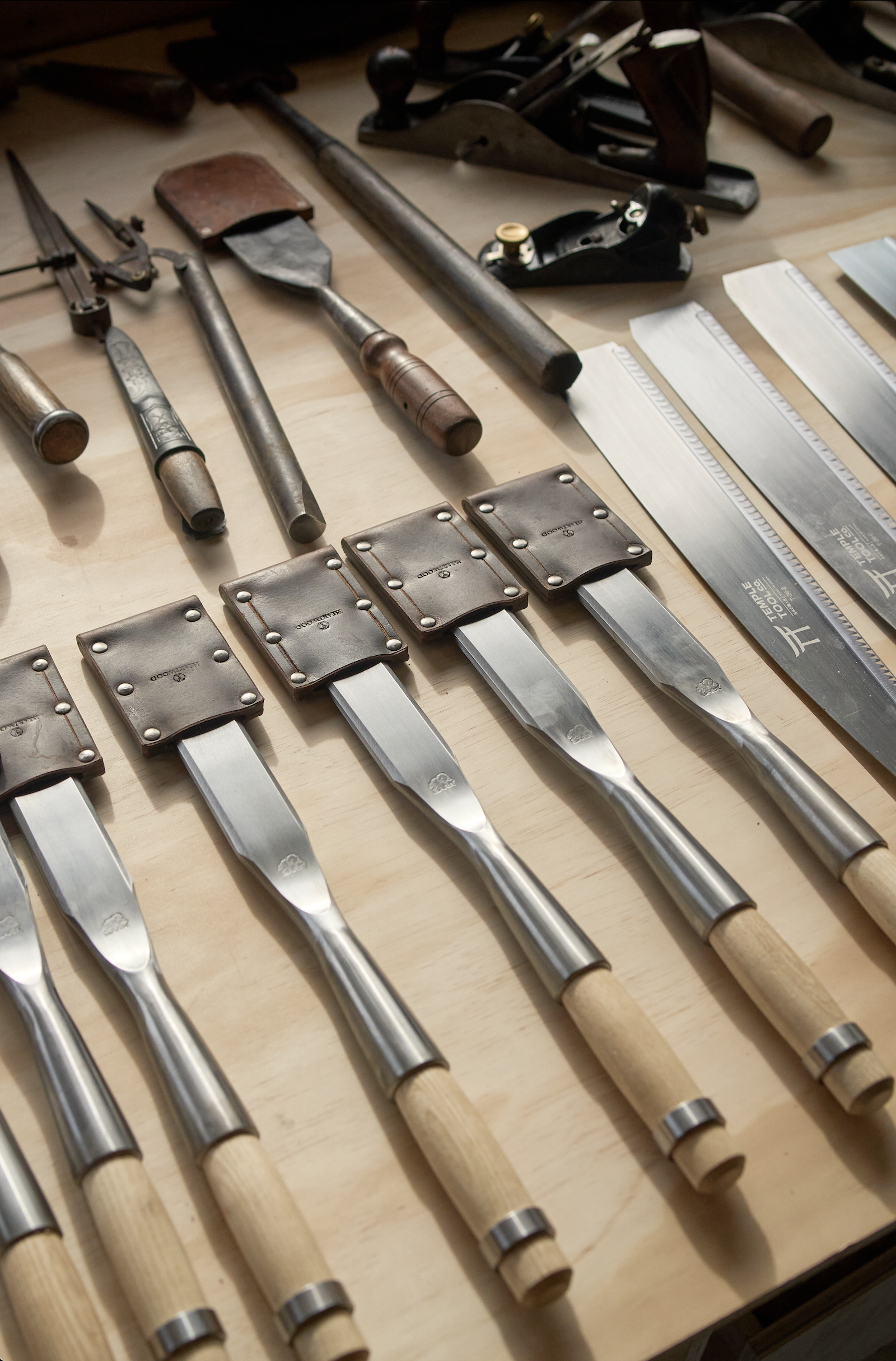
Tools used throughout the workshop may include framing chisels, slicks, axes, adzes, augers, boring machines, drawknives, shaving horses, and more. This is a chance to experience what it was like to work timber before machines replaced skill and feel.
Timber Pegs

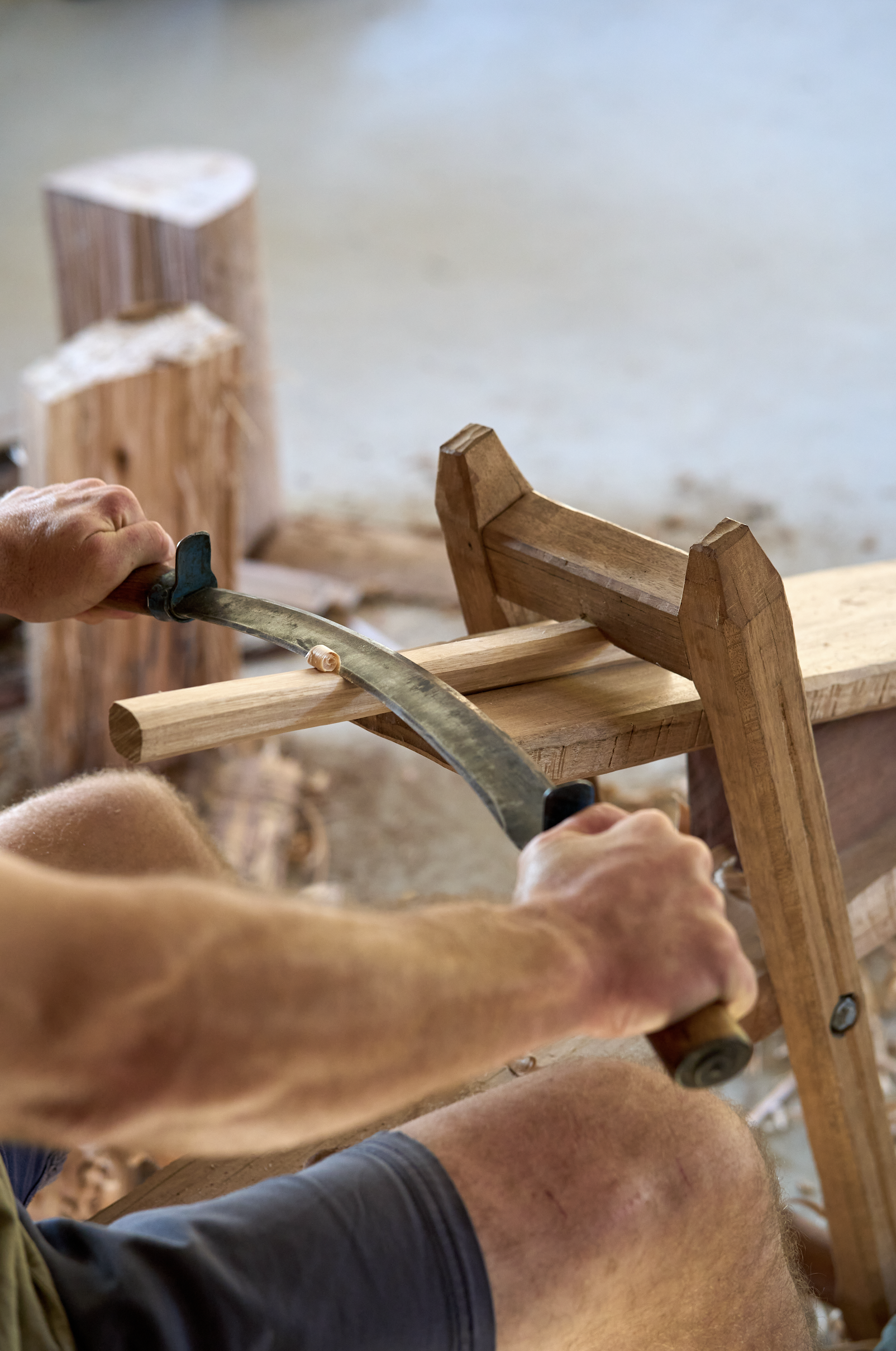
Students will split peg stock from hardwood billets using a froe, then shape pegs with a drawknife on the shaving horse. These pegs will be finished and ready for use in the final assembly of the Heartwood Cabin frame.
This process highlights the simplicity and strength of traditional fastening, and the satisfaction of making every component by hand.
Test fit & Pre- assembly process
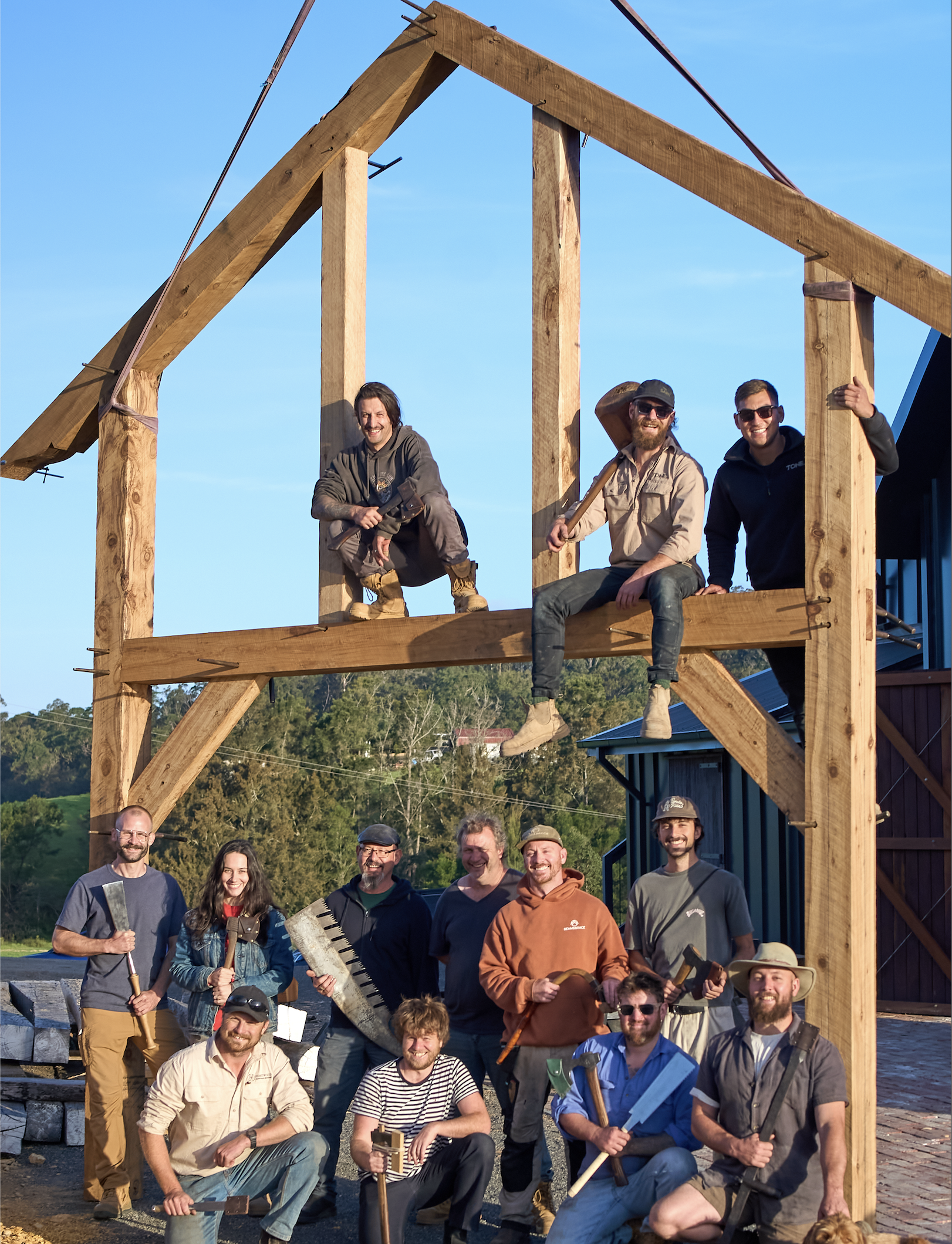
Once each group has completed their section of the frame, the components will be brought together for a test fit and pre-assembly. This stage allows students to check accuracy, understand how individual pieces interact, and make any necessary adjustments before final erection.
Seeing the frame come together is a powerful moment — where individual efforts combine into something larger, solid, and enduring.
Traditional Hand Tools & Sharpening
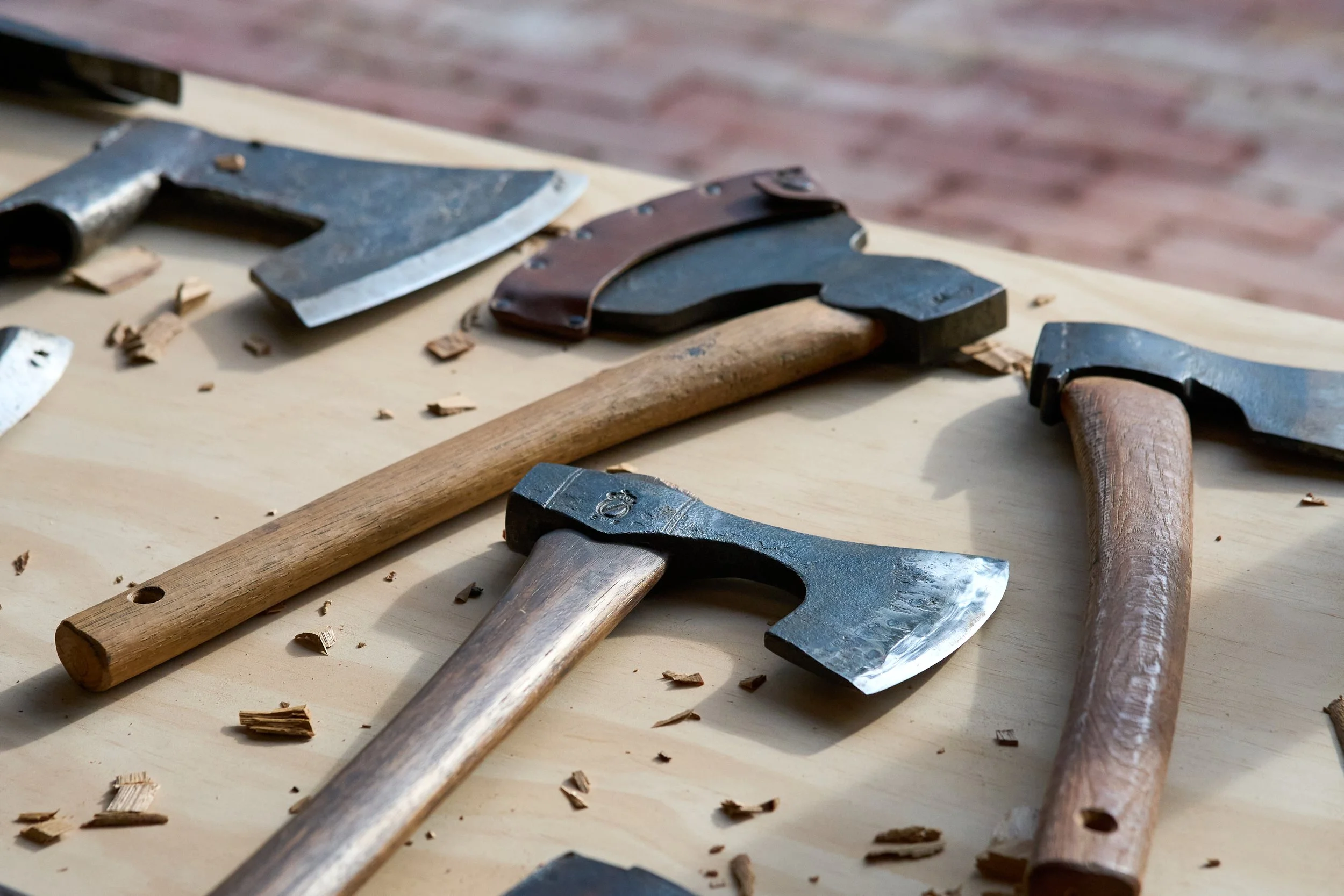
Before you begin working on your own timber frame, we take the time to properly introduce the tools that have shaped this craft for centuries. We’ll walk through its practical uses, demonstrate correct handling techniques, and show you how to maintain and care for each piece so it can last a lifetime. Only once you have that foundation will you step in to handle the tools yourself, giving you the freedom to explore, practice, and build confidence at your own pace under guided supervision.

Set on the peaceful grounds of Anchorage Farm in North Narooma, our timber framing workshop takes place in a setting that reflects the very values of the craft—simplicity, connection to the land, and working with natural materials. Surrounded by open space, native wildlife, and the quiet rhythm of the South Coast, this location offers an ideal environment to slow down, focus, and fully immerse yourself in the traditional skills you’ll be learning. Onsite camping is included in the workshop fee, allowing you to stay right where you learn and enjoy the full experience from sunrise to campfire.
Bring the family and camp onsite!
What People are saying
Samuel Mackey
Knowledgable, skilled, friendly great people. If you want passion and skill, you can't go wrong with Josh and his team at heartwood. A pioneer in making traditional timber framing accessable to everyday people here in Australia, it was an absolute pleasure meeting and learning from Josh, and i look forward to seeing the great things him and Brodie create in the timber framing world.
Joe Worthington
I loved every minute of this workshop. I’m an amateur woodworker, but at no point felt out of my depth or like I shouldn’t be there. The heartwood team are a lovely bunch, and the facilitators were all top notch. I learned so much more than I had expected from everyone there, including the other participants. I am legit now going to attempt to build my own cabin. Frothing.
Gavin McConnell
Ive just recently had the pleasure of attending a 3 day traditional timber framing course run by Joshua and Brodie. I couldnt be happier!. The knowledge gained really added to my (limited) understanding of square rule v scribe rule... sort of American and European schools.
The setting was stunning and really showcased Heartwoods passion and skills. The teaching crew Joshua, Ben and Bevin each brought unique insights. Im planning to have Heartwood onboard for my upcoming cabin-in-the-woods dream project.
Highly recommed talking with them for your next project or just to take the next step on your journey.
Upcoming Courses
4 Day Fundamentals Workshop
September 26th, 27th, 28th & 29th
$3200 + GST
Includes 5 nights onsite Camping spot
Date: 26th, 27th, 28th & 29th September 2026
The total price for the 4-Day Fundamentals of Traditional Timber Framing Workshop is $ 3200 + GST per person and will be invoiced separately. This payment is a 50% deposit to secure your spot.
The remaining balance is due one month before the start of the workshop. We will contact you with payment details closer to that time.
Dive into this hands-on, immersive workshop focused on hand-tool-only traditional timber framing. Led by Joshua from Heartwood Traditional Building, this course emphasises foundational layout, joinery, and craftsmanship rooted in time-tested building traditions. The workshop will be held at Anchorage farm Narooma and runs September 26th, 27th, 28th & 29th 2026.
Workshop hours are from 7am - 4pm each day.
Families Welcome.
What you’ll get:
Hands-on instruction in traditional timber framing fundamentals
Hand-tool-only layout, cutting, and joinery techniques
Guidance from experienced traditional builders
A supportive learning environment focused on accuracy, safety, and craft
A copy of the heartwood fundamentals workbook.
Free onsite camping with access to toilets
Disclaimers:
This payment is a 50% non-refundable deposit.
The deposit may be transferred to another person if you are unable to attend.
Food is not included in this price, participants must bring lunch each day.
Full payment is due one month before the course start date.
Participants are expected to attend all scheduled hours of the workshop.
Woodworking involves inherent risks; all participants must follow safety instructions and may be required to sign an Assumption of Risk Waiver.
Heartwood Traditional Building reserves the right to update or modify course content as needed to provide the best learning experience.
Sign up to our course mailing list
Stay in the loop and be the first to know when dates are released for our courses. Signing up helps us know demand and how many courses are needed.